Patagonia Torrentshell 3L vs Arc'teryx Beta Jacket: 3-Layer Hardshell Comparison
Comparing the Patagonia Torrentshell 3L and the Arc'teryx Beta Jacket pits the value benchmark of three-layer trail rainwear against an alpine-grade GORE-TEX ePE shell. Choose the Patagonia Torrentshell 3L (14.1 oz men's, 50D ECONYL recycled nylon, H2No membrane, welted pit zips) if you want mechanical underarm ventilation, self-stowing pocket packability, and Patagonia's Ironclad Guarantee. Choose the Arc'teryx Beta Jacket (13.2 oz men's, 80D bio-based nylon face, GORE-TEX ePE membrane with C-KNIT backer) for a quieter, softer interior drape, heavier 80D abrasion resistance, and articulated mountain patterning.
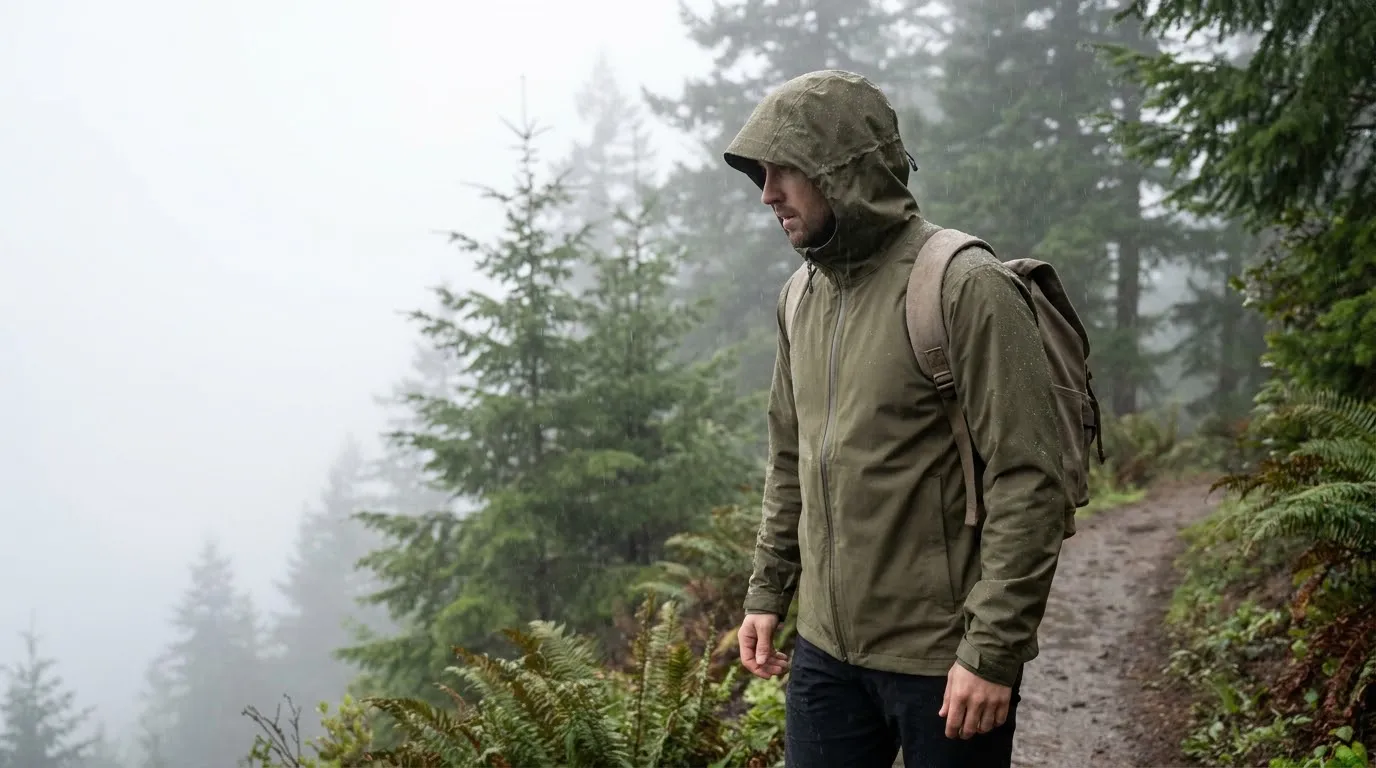
Our picks
We earn a commission if you buy through these links, at no cost to you. Read our affiliate disclosure.
| Award | Product | Construction | Fabric | Weight | Where to buy |
|---|---|---|---|---|---|
| Winner for Trail Ventilation & Value | Winner for Trail Ventilation & ValuePatagonia Torrentshell 3L Rain Jacket | 3-layer H2No Performance Standard (polycarbonate PU membrane) | 50D ECONYL 100% recycled nylon ripstop with tricot backer | 14.1 oz (400 g) men's / 12.4 oz (352 g) women's | Check price at REI |
| Winner for Alpine Articulation & Next-to-Skin Drape | Winner for Alpine Articulation & Next-to-Skin DrapeArc'teryx Beta Jacket | 3-layer GORE-TEX ePE (expanded polyethylene) membrane | 80D bio-based nylon face with GORE C-KNIT backer | 13.2 oz (375 g) men's medium | Check price at REI |
- Winner for Trail Ventilation & Value
Patagonia Torrentshell 3L Rain Jacket
A rugged 50-denier recycled nylon 3-layer shell with welted underarm pit zips, self-stowing pocket packability, and the Ironclad Guarantee.
- Construction
- 3-layer H2No Performance Standard (polycarbonate PU membrane)
- Fabric
- 50D ECONYL 100% recycled nylon ripstop with tricot backer
- Weight
- 14.1 oz (400 g) men's / 12.4 oz (352 g) women's
- Ventilation
- Welted underarm pit zips with storm flaps
- Warranty
- Patagonia Ironclad Guarantee
- Winner for Alpine Articulation & Next-to-Skin Drape
Arc'teryx Beta Jacket
An 80-denier 3-layer GORE-TEX ePE shell paired with a supple GORE C-KNIT backer, single-pull StormHood, and embedded RECCO reflector at 13.2 ounces.
- Construction
- 3-layer GORE-TEX ePE (expanded polyethylene) membrane
- Fabric
- 80D bio-based nylon face with GORE C-KNIT backer
- Weight
- 13.2 oz (375 g) men's medium
- Ventilation
- WaterTight Vislon front zipper only (no pit zips)
- Warranty
- Arc'teryx Limited Warranty (Practical Product Lifespan)
On this page
Workhorse Trail Shell vs Alpine-Patterned Hardshell
When hikers compare three-layer waterproof shells in our best rain jackets for hiking guide, two garments frequently anchor the conversation at opposite ends of the hardshell market: the Patagonia Torrentshell 3L Rain Jacket and the Arc’teryx Beta Jacket. Based on published manufacturer specifications and verified owner review patterns, both jackets abandon the thin, clammy printed interior coatings of 2.5-layer shells in favor of true three-layer construction that sandwiches a waterproof-breathable membrane between a durable nylon face and a knit fabric backer.
Despite sharing a three-layer architecture and PFAS-free water-repellent chemistry, these two shells are engineered around distinct trail priorities. The Patagonia Torrentshell 3L is built as a mechanical-venting trail workhorse: it pairs a 50-denier recycled nylon ripstop exterior with welted underarm pit zips and a self-stowing pocket design. The Arc’teryx Beta Jacket focuses on anatomical mountain mobility and laminate refinement: it combines an 80-denier bio-based nylon face with a PFAS-free GORE-TEX ePE membrane and a circular-knit GORE C-KNIT backer, shaving nearly an ounce off the Torrentshell’s weight while omitting pit zips entirely.
Change Gear earns a commission when you buy through some links on this page, at no cost to you. It never decides what we recommend.
Side-by-Side Specification Matrix
All figures below are sourced directly from Patagonia and Arc’teryx technical documentation.
| Specification | Patagonia Torrentshell 3L Rain Jacket | Arc’teryx Beta Jacket | Category Edge |
|---|---|---|---|
| Membrane & Construction | 3-layer H2No Performance Standard (polycarbonate PU membrane) | 3-layer GORE-TEX ePE (expanded polyethylene) membrane | Arc’teryx Beta (lighter, more breathable ePE laminate) |
| Outer Face Fabric | 50D ECONYL 100% recycled nylon ripstop | 80D bio-based nylon plain weave | Arc’teryx Beta (heavier 80D yarn denier) |
| Interior Backer | Standard tricot backer | GORE C-KNIT circular-knit backer | Arc’teryx Beta (quieter, softer next-to-skin drape) |
| DWR Treatment | PFAS-free DWR finish | FC0-DWR (PFAS-free) finish | Tie (both free of intentionally added PFAS) |
| Men’s Weight | 14.1 oz (400 g) | 13.2 oz (375 g) (Size M) | Arc’teryx Beta (0.9 oz lighter despite 80D face) |
| Women’s Weight | 12.4 oz (352 g) | Listed lighter by women’s cut | Tie (proportional to pattern cut) |
| Underarm Ventilation | Welted two-way pit zips with exterior storm flaps | None (front WaterTight Vislon zipper only) | Patagonia Torrentshell 3L (true mechanical core venting) |
| Pocket Layout | 2 welted handwarmer pockets (self-stuffs into left pocket) | 2 WaterTight hand pockets + 1 internal laminated zip pocket | Tie (Torrentshell self-stows; Beta adds internal security pocket) |
| Hood Design | 2-way adjustable hood with laminated visor & roll-down hook | Low-profile StormHood with single-pull peripheral adjuster | Arc’teryx Beta (faster one-handed storm adjustment) |
| Rescue & Sustainability | bluesign approved fabrics, Fair Trade Certified sewn | Embedded RECCO reflector, bluesign approved materials | Depends on use |
| Warranty Coverage | Patagonia Ironclad Guarantee | Arc’teryx Limited Warranty (Practical Product Lifespan) | Patagonia Torrentshell 3L (broader lifetime satisfaction guarantee) |
Membrane Engineering: H2No Polycarbonate PU vs GORE-TEX ePE
To understand how these jackets behave during a multi-hour downpour on the trail, it helps to examine what sits beneath the outer nylon threads. As explained in REI’s technical guide to how rainwear works, a three-layer shell laminates three separate components into a single textile: an abrasion-resistant outer face fabric, a waterproof-breathable middle membrane, and a protective inner fabric backer that shields the membrane from body oils, sweat salts, and friction.
Patagonia H2No Performance Standard with Tricot Backer
In the Patagonia Torrentshell 3L, Patagonia uses its proprietary H2No Performance Standard construction, bonding a 3.5-ounce 50-denier ECONYL 100% recycled nylon ripstop face fabric to a polycarbonate polyurethane (PU) membrane and a woven tricot backer. Rather than relying solely on initial out-of-the-box laboratory numbers, Patagonia subjects H2No shell fabrics to an aggressive “killer wash” wet-flex and abrasion torture test to verify that the polyurethane laminate does not delaminate or crack after seasons of creasing under a backpack.
The trade-off of pairing a 50-denier ripstop face with a traditional tricot backer is tactile stiffness. Verified owner reviews consistently note that the Torrentshell 3L has a crisp, structured hand feel and produces an audible swish or crinkle when your arms swing on a quiet forest path.
Arc’teryx GORE-TEX ePE with GORE C-KNIT Backer
In the current generation of the Arc’teryx Beta Jacket, Arc’teryx transitioned away from older polytetrafluoroethylene membranes to W.L. Gore’s expanded polyethylene (ePE) membrane. Because expanded polyethylene achieves high tensile strength in a thinner, lighter microporous architecture without fluorochemicals, Arc’teryx was able to step the outer face fabric up to a burly 80-denier bio-based nylon while keeping the men’s medium jacket weight down to 13.2 ounces (375 grams).
Equally noticeable when putting the jacket on over a hiking base layer or fleece midlayer is the interior GORE C-KNIT backer. Instead of a stiffer woven tricot, C-KNIT uses a dense, ultra-fine circular knit of nylon filaments. It slides smoothly over fleece sleeves without catching, feels soft and dry against bare forearms, and dramatically reduces the metallic rustle typical of mountain hardshells.
Ventilation and Active Hiking: Why Pit Zips Matter
For strenuous uphill hiking and three-season backpacking, the single most important functional difference between these two shells is mechanical ventilation.
When you climb a steep trail carrying one of the packs from our best backpacking backpacks guide, your body generates heat and perspiration far faster than any waterproof membrane can diffuse moisture vapor through microscopic pores. As REI’s guide to choosing a rain jacket emphasizes, opening mechanical vents under the arms is the primary way active hikers prevent internal condensation from soaking their clothing from the inside out.
- Patagonia Torrentshell 3L (Pit Zips Included): Patagonia equips the Torrentshell 3L with two-way welted underarm pit zips protected by exterior storm flaps. When climbing in warm rain or high humidity, you can unzip both underarms to create a cross-draft across your torso while keeping the front zipper sealed and the hood up.
- Arc’teryx Beta Jacket (No Pit Zips): Arc’teryx designed the standard Beta Jacket as a streamlined, all-around mountain shell and omitted underarm pit zips entirely. To dump heat in the Beta Jacket, you have to unzip the main center-front WaterTight Vislon zipper, which exposes your chest to wind-driven rain. (Hikers who want Arc’teryx patterning with underarm pit zips must look to the more specialized Beta SL or Beta AR jackets.)
If you run warm on ascents or hike frequently in humid, rainy environments like the Pacific Northwest or the Appalachian mountains, the Torrentshell 3L’s pit zips provide a decisive practical advantage on the trail.
Face Fabric Denier, DWR Care, and Packability
Both jackets are built to survive brush, granite ledges, and heavy pack straps far better than ultralight 15-denier emergency shells:
- 80D vs 50D Exterior Durability: In textile measurement, denier (D) represents the mass in grams of 9,000 meters of fiber. The Arc’teryx Beta Jacket’s 80-denier bio-based nylon face uses thicker, stronger yarns than the Torrentshell 3L’s 50-denier recycled nylon ripstop, giving the Beta an edge in sheer abrasion resistance against sharp rock or rough tree bark. Even so, 50-denier ripstop nylon is already a workhorse specification for trail hiking and multi-day backpacking.
- PFAS-Free DWR Maintenance: Both jackets use durable water repellent (DWR) treatments made without intentionally added PFAS chemicals (FC0-DWR on the Beta Jacket). Arc’teryx explicitly notes on the Beta Jacket product page that while the ePE membrane itself never loses waterproofness, PFAS-free face fabrics can wet out slightly faster when contaminated by body oils, sweat, or trail dirt. For either jacket, periodic gentle washing and tumble drying according to the care tag is necessary to keep water beading on the surface.
- Pocket Storage and Packability: When skies clear on a trip organized with our day hike checklist, the Patagonia Torrentshell 3L stuffs neatly into its own left handwarmer pocket, which includes a double-sided zipper and a webbing carabiner clip-in loop. The Arc’teryx Beta Jacket does not have a dedicated self-stowing pocket clip loop, though hikers routinely roll it into its own StormHood before tucking it into a pack. The Beta Jacket does add an internal laminated zippered chest pocket for securing a phone, keys, or compass away from exterior moisture.
Patterning, Hood Ergonomics, and Trail Fit
Putting both jackets on highlights the difference between standard trail tailoring and anatomical alpine patterning:
- Arc’teryx Articulated Patterning and StormHood: Arc’teryx builds the Beta Jacket with gusseted underarms, pre-shaped elbows, and a 30-inch (77-centimeter) center-back length in men’s medium. When you reach overhead on a scramble or plant trekking poles downhill, the hem stays anchored beneath your backpack hip belt and the cuffs do not ride up your forearms. Its low-profile StormHood uses a single-pull rear halo adjuster that cinches the hood around your head in one motion so the laminated brim tracks cleanly with your peripheral vision.
- Patagonia Regular Fit and Roll-Down Hood: The Patagonia Torrentshell 3L uses a boxy, regular trail fit that leaves generous room across the chest and shoulders for layering a thick fleece or down puffy underneath. Its two-way adjustable hood features a laminated visor and a microfleece-lined neck guard for chin comfort, plus a cord-and-hook tab that rolls the hood down into a neat collar when you are hiking in high wind without rain.
Warranty Coverage and Long-Term Ownership
Because waterproof laminates endure years of flexing, sweat exposure, and laundering, manufacturer warranty terms play a major role in long-term value:
- Patagonia Ironclad Guarantee: Patagonia guarantees everything it makes. If you are not satisfied with how the Torrentshell 3L performs at the time you receive it, or if it fails to perform to your satisfaction during use, Patagonia allows you to return it for a repair, replacement, or refund, and provides fair-rate repairs for accidental damage.
- Arc’teryx Limited Warranty: Arc’teryx warrants its apparel to the original purchaser (with valid proof of purchase from an authorized dealer) against defects in materials and workmanship for the Practical Product Lifespan of the garment—which Arc’teryx defines as the usual and customary wearable life of the product rather than the owner’s lifetime, excluding normal wear and tear or improper care.
Final Verdict: Which 3-Layer Shell Should You Choose?
Our evaluation follows the research-based standards detailed on our how we choose methodology page and our affiliate disclosure, relying on verified manufacturer specifications rather than in-house field testing claims:
- Choose the Patagonia Torrentshell 3L Rain Jacket if you want a dependable, no-nonsense 3-layer hiking shell with welted underarm pit zips for steep climbs, self-stowing pocket packability, roomier cold-weather layering, and the security of Patagonia’s Ironclad Guarantee.
- Choose the Arc’teryx Beta Jacket if you prioritize anatomical shoulder and elbow articulation, want the softer, quieter drape of a GORE C-KNIT backer against your skin, prefer a heavier 80-denier face fabric at a lighter 13.2-ounce weight, and hike in cooler alpine conditions where pit zips are less critical.
Frequently asked questions
Does the Arc'teryx Beta Jacket have pit zips like the Patagonia Torrentshell 3L?
No. According to official manufacturer specifications, the standard Arc'teryx Beta Jacket omits underarm pit zips to reduce bulk, seam tape, and weight, relying on its breathable 3-layer GORE-TEX ePE membrane and WaterTight Vislon front zipper for temperature regulation. By contrast, the Patagonia Torrentshell 3L includes welted two-way underarm pit zips with exterior storm flaps, allowing hikers to vent warm, humid air directly from their core on steep climbs. Hikers who want an Arc'teryx shell with pit zips must look to the Beta SL or Beta AR models.
How does the GORE-TEX ePE membrane in the Arc'teryx Beta compare to Patagonia's H2No?
Both membranes use three-layer construction without intentionally added PFAS chemicals, bonding an outer nylon face fabric to a waterproof-breathable middle membrane and an interior fabric backer. Patagonia's H2No Performance Standard in the Torrentshell 3L pairs a polycarbonate polyurethane membrane with a standard tricot backer. Arc'teryx uses W.L. Gore's expanded polyethylene (ePE) membrane bonded to a circular-knit GORE C-KNIT backer, which creates a thinner, quieter, and more supple laminate.
Which rain jacket has a tougher outer fabric: the Torrentshell 3L or the Beta Jacket?
By yarn weight (denier), the updated Arc'teryx Beta Jacket uses a heavier 80-denier bio-based nylon face fabric, whereas the Patagonia Torrentshell 3L uses a 50-denier 100% recycled ECONYL nylon ripstop face fabric. Both 50D and 80D sit well above ultralight 15D to 30D trail shells, offering high resistance to abrasion from backpack shoulder straps, granite scrambles, and overhanging branches.
Why does Arc'teryx note that GORE-TEX ePE jackets need regular washing?
Both the Patagonia Torrentshell 3L and the Arc'teryx Beta Jacket use modern PFAS-free durable water repellent (DWR) treatments on their outer face fabrics. As Arc'teryx notes in its product documentation, body oils, dirt, and sunscreen contaminate PFAS-free FC0-DWR finishes more readily than older fluorinated coatings, which can cause the outer face fabric to darken or wet out sooner in heavy rain. Washing the garment and tumble drying according to care instructions removes oil contamination and restores surface beading without affecting the waterproof membrane underneath.
How do the Patagonia Ironclad Guarantee and Arc'teryx Limited Warranty differ?
Patagonia backs the Torrentshell 3L with its Ironclad Guarantee, which has no fixed time limit and offers repair, replacement, or refund if a product does not perform to satisfaction, plus low-cost repairs for wear and tear. Arc'teryx covers the Beta Jacket under its Limited Warranty against defects in materials and workmanship for the 'Practical Product Lifespan'—defined by Arc'teryx as the usual and customary wearable life of the garment for the original purchaser with valid proof of purchase from an authorized dealer.