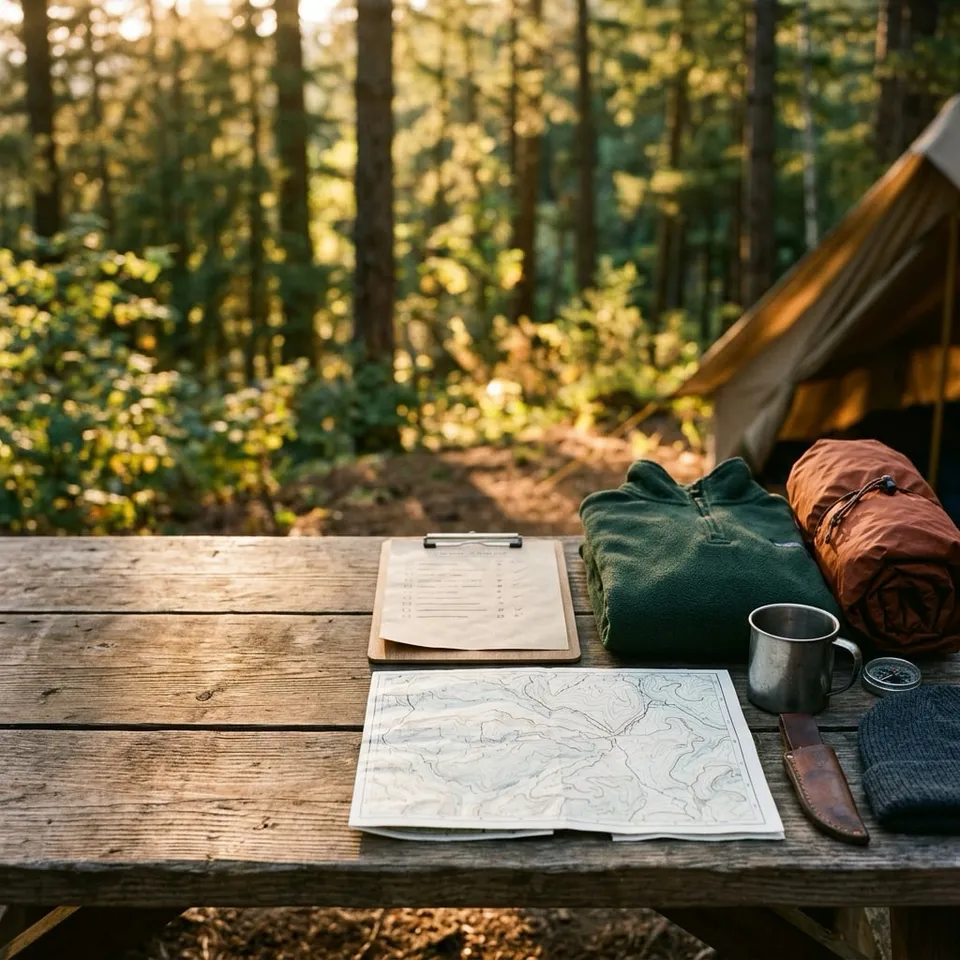
Day hike checklist and Ten Essentials guide
A day hike checklist ensures you carry the essential safety, navigation, hydration, and weather protection gear needed for self-reliance on the trail. Built directly around the Ten Essentials, this packing list covers items required to handle sudden mountain storms, route detours, delayed returns past dark, and minor trail injuries. Packing systematically keeps pack weight under ten pounds while maintaining full emergency preparedness.
On this page
Packing for day hiking safety and preparedness
Day hiking offers quick access to wilderness recreation without the logistical complexity of an overnight expedition. However, remote backcountry trails present the same unpredictable mountain weather, elevation changes, and terrain obstacles encountered on multi-day journeys. Our core trip-planning checklists prioritize self-sufficiency on every outing, ensuring day hikers carry the proper gear to manage route complications and sudden delays.
The foundation of every safe day pack is the National Park Service Ten Essentials. Packing these items transforms your daypack from a simple water carrier into a life-support system capable of keeping you warm, hydrated, and sheltered should an unexpected delay occur. Integrating the Leave No Trace Seven Principles into your trail routine preserves pristine trail corridors, respects local wildlife, and minimizes physical impact on sensitive ecosystems.
Review the itemized categories below to assemble an organized, lightweight daypack.
Change Gear earns a commission when you buy through some links on this page, at no cost to you. It never decides what we recommend.
The Ten Essentials itemized checklist
Outdoor safety organizations structure the Ten Essentials around functional emergency response systems. Each item addresses a specific survival demand in the backcountry.
- Navigation (topographic map and magnetic compass) (2 to 4 oz / 57 to 113 g): A waterproof 1:24,000 scale paper topographic map and an adjustable-declination baseplate compass. Pair these physical tools with offline digital navigation applications, but never rely exclusively on cellular service.
- Headlamp with fresh batteries (2.5 to 3.5 oz / 71 to 99 g): High-output LED headlamp providing 200 to 400 lumens. Keeps your hands free for trekking poles and prevents disorientation if a route takes longer than planned.
- Sun protection (sunglasses, sunscreen, and lip balm) (3 to 6 oz / 85 to 170 g total): 100% UVA/UVB-blocking sunglasses and broad-spectrum SPF 30 or 50 mineral sunscreen to protect against severe alpine UV radiation.
- First aid kit with blister treatment (3.5 to 8 oz / 99 to 227 g): Moleskin pads, hydrocolloid blister bandages, sterile gauze pads, medical tape, antiseptic wipes, ibuprofen, antihistamines, and tweezers.
- Knife and gear repair supplies (2 to 6 oz / 57 to 170 g): Locking pocket blade or lightweight multi-tool wrapped with two feet of duct tape for emergency footwear and pack repairs.
- Fire starter (waterproof matches and tinder) (1 to 2 oz / 28 to 57 g): Stormproof strike-on-box matches and paraffin-soaked tinder blocks stored inside a watertight hard case.
- Emergency shelter (reflective bivy or blanket) (2.9 to 4.0 oz / 82 to 113 g): A heat-reflective polyethylene emergency bivy sack that retains up to ninety percent of radiated body heat during an unintended overnight stay.
- Extra food rations (6 to 12 oz / 170 to 340 g): 500 to 1,000 emergency calories of high-density snacks (protein bars, mixed nuts, dried fruit) carried beyond normal meal requirements.
- Extra water and portable filter (2.3 to 4.0 oz filter empty / 65 to 113 g): A hollow-fiber squeeze filter or chemical chlorine dioxide tablets to purify water from natural streams alongside two liters of carried water.
- Extra clothing insulation (8 to 16 oz / 227 to 454 g): Packable synthetic or down jacket and a waterproof rain shell packed inside your pack regardless of trailhead sunshine.
Daypacks and load-carrying equipment
A well-fitted daypack distributes weight efficiently across your shoulders and hips, preventing muscle fatigue on long ascents.
- Technical daypack (12 to 34 oz / 0.75 to 2.1 lbs / 340 to 960 g): 15 to 25-liter volume with breathable mesh back panel, padded shoulder straps, hydration reservoir sleeve, and exterior stretch water bottle pockets.
- Pack rain cover or silicone dry bag (2 to 4 oz / 57 to 113 g): Protects sensitive electronics, spare clothing layers, and paper maps during sudden thunderstorms.
- Trekking poles (9 to 20 oz per pair / 255 to 567 g): Carbon fiber or 7075 aluminum poles with lever-cam locks that absorb up to twenty percent of joint impact forces during steep downhill sections.
Hydration and nutrition gear
Maintaining fluid and electrolyte balance prevents fatigue, heat cramps, and altitude-related headaches.
- Hydration reservoir or wide-mouth water bottles (4 to 7 oz empty / 113 to 198 g): Two-liter BPA-free reservoir with bite valve or durable plastic trail bottles providing 2 to 3 liters total capacity.
- Electrolyte powder replenishment packets (0.5 to 1.5 oz / 14 to 42 g): Replaces sodium, potassium, and magnesium lost through active perspiration on warm climbs.
- Trail snacks and lunch provisions (1 to 2 lbs / 0.45 to 0.9 kg): Calorie-dense foods including beef jerky, cheese sticks, nut butters, whole grain crackers, and dried fruit.
- Odor-proof trash storage pouch (0.5 to 1.0 oz / 14 to 28 g): Heavy-duty zip-top freezer bag to pack out all food wrappers, fruit peels, and trash.
Weather-adaptive clothing layers and trail footwear
Mountain weather changes rapidly, with summit temperatures often dropping twenty degrees below valley temperatures. Employ a modular three-layer clothing system.
- Moisture-wicking synthetic or merino wool shirt (4 to 6 oz / 113 to 170 g): Lightweight polyester or wool crew that lifts sweat away from the torso to keep skin dry.
- Breathable hiking pants or shorts (8 to 14 oz / 227 to 397 g): Durable ripstop nylon fabric with four-way mechanical stretch and durable water repellent (DWR) finish.
- Active fleece mid-layer or grid pullover (8 to 14 oz / 227 to 397 g): Traps air pockets to provide breathable warmth during cool morning starts.
- Waterproof breathable rain jacket (6 to 15 oz / 170 to 425 g): 2.5-layer seam-sealed membrane with an adjustable hood that completely blocks driving rain and biting ridgeline winds. To compare a dependable three-layer value shell with a high-end alpine hardshell, read our Patagonia Torrentshell 3L vs Arc’teryx Beta Jacket comparison.
- Merino wool hiking socks (2 to 3.5 oz / 57 to 99 g): High-density merino wool socks that prevent blister friction and cushion the heel and forefoot. Read our comprehensive guide to the best hiking socks for specific wool blends and cushion profiles.
- Trail running shoes or lightweight hiking boots: Broken-in trail footwear with aggressive Vibram or proprietary rubber lug outsoles for traction on loose dirt and wet rock.
- Wide-brim sun hat or running cap (2 to 4 oz / 57 to 113 g): Protects facial skin and eyes from direct sun exposure.
- Lightweight wool beanie and wind-resistant liner gloves (2 to 4 oz / 57 to 113 g total): Compact warmth for windy summits or cool shaded ravines.
Trail sanitation, hygiene, and emergency tools
Carrying basic sanitation and signaling tools ensures that day hikers adhere to outdoor hygiene standards and emergency protocols.
- Backcountry trowel and toilet paper (1 to 3 oz / 28 to 85 g total): Ultralight aluminum or reinforced polymer trowel to dig an appropriate six-inch cathole when trailheads lack facilities.
- Alcohol hand sanitizer (1 to 2 oz / 28 to 57 g): 60%+ alcohol gel for sanitizing hands after bathroom visits and before eating meals.
- Emergency pealess whistle (0.2 to 0.5 oz / 6 to 14 g): Emits a piercing 100+ decibel sound that carries significantly farther than human vocal shouts while conserving energy.
- Satellite messenger or PLB (3.5 to 7.0 oz / 99 to 198 g): Two-way satellite communication device capable of sending emergency distress alerts outside cellular tower coverage.
- Insect repellent spray or lotion (2 to 4 oz / 57 to 113 g): Picaridin formula that prevents tick and mosquito bites without damaging synthetic pack fabrics.
Trailhead departure protocol and Leave No Trace
Adhering to responsible trail ethics ensures that trails remain accessible, clean, and safe:
- Leave an itinerary: Always write down your planned route, expected return time, and vehicle license plate number, providing this information to an emergency contact at home before losing cell signal.
- Stay on the designated path: Avoid cutting switchbacks or walking around muddy puddles onto trail edges, which creates braided trails and accelerates hillside soil erosion.
- Yield to uphill hikers: Hikers moving uphill have the right of way because they maintain a rhythmic pace and have a narrower field of vision. Step aside onto durable trail surfaces to let them pass.
- Pack out everything: Apple cores, banana peels, and citrus rinds take months or years to decompose in alpine environments and attract animals to human trails. Pack out all organic and inorganic waste in your trash pouch.
For those planning to progress from day hiking into overnight trips, explore our complete backpacking checklist or our drive-in camping checklist. To customize an itemized packing inventory based on expected forecast temperatures and trail mileage, try our interactive packing list generator.
Frequently asked questions
What are the Ten Essentials for a day hike?
The Ten Essentials are navigation tools, an LED headlamp with spare batteries, sun protection, a first-aid kit, a knife or multi-tool with gear repair tape, fire starters, an emergency bivy shelter, extra food, extra water with a filter, and insulating weather clothing. These systems ensure you can navigate, stay warm, treat injuries, and survive an unexpected night in the wilderness.
How much water should you pack on a day hike?
Plan for approximately one-half liter of water for every hour of hiking in moderate temperatures on level terrain. Increase your supply to one full liter per hour for steep climbs, high altitudes, or summer desert conditions exceeding eighty-five degrees. Always carry a compact hollow-fiber filter or chemical purification tablets to safely replenish from natural springs along your route.
What size daypack is best for day hiking?
A daypack with an internal volume between 15 and 25 liters is optimal for half-day to full-day excursions. This capacity provides sufficient room to store your hydration bladder, extra thermal layers, rain shell, trail food, and the Ten Essentials without adding unnecessary weight. For winter day hikes requiring microspikes and heavy insulation, choose a 28 to 34-liter pack.
Why should you carry a headlamp on a short morning hike?
Trail delays happen frequently due to twisted ankles, washed-out trails, navigation mistakes, or helping an injured fellow hiker. A simple four-mile afternoon hike can easily extend past sunset. A lightweight headlamp ensures you do not have to navigate rocky descents in total darkness or drain your mobile phone battery using its flashlight.
What foods are best for daytime trail energy?
Pack portable, nutrient-dense foods providing a balance of complex carbohydrates, healthy fats, and protein. Trail mix with raw nuts and dried fruit, nut butter squeeze pouches, energy bars, beef or turkey jerky, and pretzels deliver steady energy without spoiling in pack heat. Carry enough snacks to sustain your hike plus an extra 500 to 1,000 emergency calories.
What safety precautions should you take before arriving at the trailhead?
Before driving to the trailhead, check local weather forecasts for your specific hiking elevation, download offline maps to your smartphone, and inspect pack gear. Always leave a detailed trip itinerary with a trusted friend or family member, including your planned route, parked vehicle description, and a predetermined check-in deadline when search-and-rescue should be contacted.