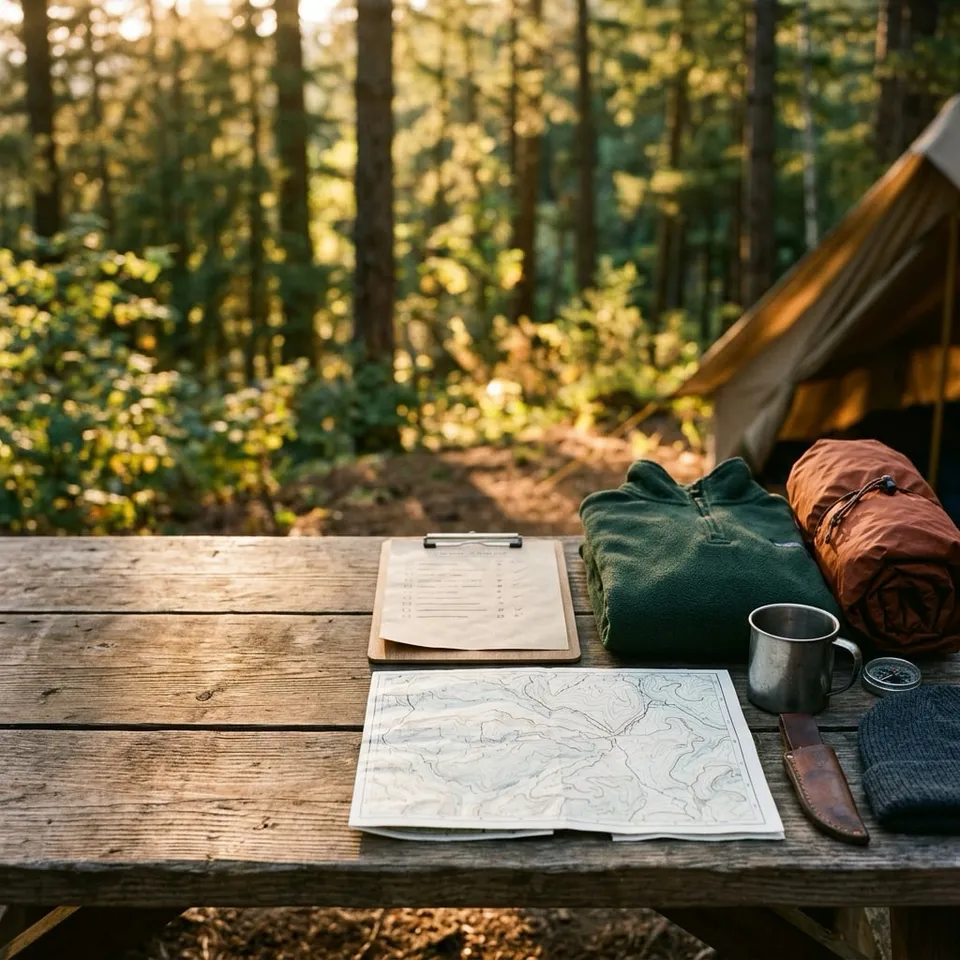
Hiking gear guide: core systems and priority essentials
A reliable hiking setup prioritizes items directly affecting safety, physical comfort, and endurance: properly fitted footwear, moisture-regulating merino socks, an ergonomic backpack, and weather protection. Hikers should invest first in body-contact points and sleep insulation, where fit and performance prevent injury and hypothermia. Less critical accessories can be acquired affordably without compromising trail safety.
On this page
Building a balanced hiking gear system
Heading into the wilderness requires dependable equipment that keeps you comfortable, mobile, and safe across variable terrain. A successful setup is not about purchasing the most expensive catalog items or loading down a pack with emergency backups for every improbable scenario. Instead, experienced hikers build modular gear systems centered on physiological needs: blister-free feet, core temperature regulation, adequate hydration, and reliable shelter.
Every pound carried on trail exacts a measurable physical toll on joints and metabolic reserves. Striking the balance between weight, durability, and functional utility begins by recognizing which pieces of gear protect life and comfort, and which pieces add needless friction. Before packing for your next trail journey, consulting our organized day hike checklist ensures critical emergency items are not overlooked.
Understanding equipment categories as interconnected systems prevents common beginner mistakes, such as pairing waterproof boots with moisture-trapping cotton socks or loading a frameless pack with thirty pounds of supplies. Whether setting out for a three-hour woodland loop or preparing for a multi-day backcountry trek, organizing gear into logical functional groups simplifies preparation and improves trail confidence.
Footwear and socks: your primary contact points
No single gear decision influences day-to-day trail enjoyment more than footwear selection. The mechanical strain of hiking places repetitive loads across the arches, heels, and metatarsals, while uneven rocks and root lattices test lateral ankle stability. Because foot movement requires muscular effort with every stride, footwear choice directly dictates physical endurance over distance.
Hikers generally select from three primary categories of trail footwear:
- Trail running shoes: Low-cut, flexible shoes featuring breathable mesh uppers, responsive foam midsoles, and aggressive rubber lug patterns. They excel on well-graded trails and in warm weather due to rapid drying speeds and minimal break-in requirements.
- Mid-cut hiking boots: Footwear that extends just above the ankle bone to offer moderate lateral stability and debris protection while retaining flexible forefoot articulation. Hikers navigating scree, mud, or rocky descents frequently rely on mid-cut designs.
- Heavy backpacking boots: Stiff leather or synthetic boots with full steel or composite shanks, rigid heel counters, and thick Vibram rubber outsoles. These provide maximum support for off-trail bushwhacking, alpine talus crossings, and heavy expedition loads.
Shoe geometry must match individual foot anatomy. Hikers seeking specialized female ergonomics can explore our curated guide to the best hiking boots for women, which highlights boots built on narrower heel lasts and lower instep volumes. Hikers struggling with bunions, forefoot numbness, or edge friction should review our guide to the best hiking boots for wide feet to identify models manufactured on authentic 2E and 4E width lasts.
Footwear cannot perform without high-grade technical socks. Cotton absorbs moisture, loses structural loft, and increases friction against damp skin, making it a primary cause of debilitating trail blisters. Merino wool and synthetic blends cushion impact, regulate skin temperature, and actively wick sweat away from foot tissue. To evaluate fiber blends, cushioning thicknesses, and anti-friction toe sleeves, visit our comprehensive review of the best hiking socks.
The Big Three: shelter, sleep, and pack
Overnight wilderness travel introduces the “Big Three”: your shelter, your sleeping system, and your backpack. Because these three systems constitute the largest portion of dry pack weight, optimizing them offers the greatest opportunity to shed bulk and improve backcountry comfort. For complete gear lists tailored to wilderness overnights, review our backpacking checklist.
Shelter systems
Backcountry shelters guard against hypothermia, wind exhaustion, and insect intrusion. Modern tent engineering offers several distinct architectures:
- Double-wall freestanding tents: Traditional configurations featuring an inner breathable mesh canopy supported by aluminum poles and draped with an independent waterproof rainfly. They resist condensation effectively and pitch easily on solid rock or wooden platforms.
- Semi-freestanding tents: Hybrid designs that use a single hubbed pole structure at the head end while requiring corner stakes at the footbox to maximize interior volume.
- Trekking pole shelters: Ultralight non-freestanding shelters that replace dedicated tent poles with adjustable trekking poles, substantially reducing carried pack weight.
Backpackers aiming to minimize base weight can examine our technical breakdown of the best ultralight tents to assess single-wall fabrics, Dyneema Composite builds, and silpoly weather performance.
Sleeping systems
Restful sleep allows muscle repair and prevents mental fatigue during strenuous outdoor travel. A complete sleep setup consists of an insulated sleeping pad and a temperature-rated sleeping bag or quilt. Sleeping pads provide crucial thermal insulation from cold ground conduction; an uninsulated pad allows body heat to drain directly into the soil, regardless of how warm the sleeping bag is. Looking at ASTM standard R-values helps hikers select suitable pads: an R-value of 2.0 works for warm summer nights, while values of 4.0 or higher protect during shoulder seasons and freezing conditions.
Down insulation offers superior warmth-to-weight ratios and compresses efficiently inside a pack, though it requires protection from moisture. Synthetic fills maintain thermal efficiency when wet and dry out faster, making them dependable choices for humid, rainy coastal environments.
The backpack
The backpack serves as the mobile chassis carrying your supplies. Daypacks range from fifteen to thirty liters, providing room for the Ten Essentials, food, and water. Multi-day wilderness packs generally range between forty-five and sixty-five liters, featuring internal aluminum or composite stays that transfer up to eighty percent of total pack weight onto the pelvic girdle via a padded hipbelt. Sizing a backpack requires measuring torso length from the C7 vertebra to the iliac crest rather than overall body height.
Essential safety gear: the Ten Essentials
Every hiker, regardless of trip duration or familiarity with the route, should carry the Ten Essentials outlined by wilderness search and rescue organizations and the National Park Service. These systems provide emergency autonomy if injury, navigation error, or unexpected mountain weather delays your return.
- Navigation: A detailed topographic paper map, an oil-damped magnetic compass, and a digital GPS or smartphone application with offline maps. Carry a dedicated portable power bank to recharge electronic devices.
- Illumination: A compact LED headlamp with spare batteries or a rechargeable USB battery pack. Hands-free illumination is essential if a descent extends into darkness.
- Sun protection: Broad-spectrum sunscreen, UV-blocking sunglasses, and wide-brimmed hats to prevent sunburn and alpine snow blindness.
- First aid supplies: Bandages, sterile gauze, medical adhesive tape, blister treatments such as moleskin or hydrocolloid pads, antiseptic wipes, and essential personal medications.
- Repair kit and tools: A durable multi-tool, duct tape or tenacious gear tape, extra paracord, and a knife for gear maintenance and splint construction.
- Fire starters: Waterproof storm matches, a reliable butane lighter, and chemical tinder or dry cotton soaked in petroleum jelly for emergency warmth.
- Emergency shelter: An ultralight space blanket, reflective emergency bivy sack, or lightweight tarp to prevent fatal hypothermia if stranded overnight.
- Nutrition: High-calorie, nutrient-dense non-perishable food such as nut butters, dried fruit, jerky, and energy bars, carrying at least one extra day of rations.
- Hydration: Clean drinking water and a reliable field water filter or chemical purification tablets to treat wilderness water sources.
- Extra insulation: A packable synthetic or down puffy jacket, windproof shell, and fleece beanie to preserve core temperature during abrupt weather drops.
For a streamlined overview of trail planning and emergency preparations, consult our broader trip planning hub and our structured camping checklist. When building your customized inventory before departing home, our interactive packing list tool ensures all items match your trip profile.
Prioritizing your gear budget
Outfitting an outdoor kit can quickly become expensive, but strategic spending prevents waste. Prioritize investments where quality directly impacts physical safety and joint health.
- Where to invest: Allocate top budget dollars to footwear, technical socks, sleeping insulation, and your backpack. Ill-fitting shoes generate disabling blisters within two miles, while a cheap uninsulated sleeping pad can cause dangerous hypothermia in near-freezing temperatures. High-grade backpacks distribute loads across skeletal structures, preventing back strain and shoulder fatigue.
- Where to economize: Cooking stoves, trekking poles, camp mugs, base layers, and fleece mid-layers can be purchased from budget-friendly outdoor brands or second-hand gear outlets with negligible performance penalties. A fifteen-dollar aluminum canister stove boils water nearly as rapidly as a premium titanium version.
Upgrading equipment systematically over multiple seasons allows hikers to discover their personal preferences regarding trail footwear, pack volume, and shelter designs before committing to costly technical gear. Timing major purchases around the annual retail calendar—including our REI Anniversary Sale guide, Black Friday outdoor gear deals, and end-of-season gear clearance guide—routinely cuts 20 to 40 percent off Big Three investments without compromising on specifications.
Brand engineering reviews and head-to-head comparisons
Once you narrow a category down to the top two contenders, subtle differences in suspension architecture, baffle geometry, or warranty policies determine which model fits your kit best:
- Brand engineering reviews: Explore our deep-dive analyses of the Osprey backpacks lineup and suspension systems, Patagonia rain jackets review, NEMO Equipment sleep systems and OSMO tents, and Darn Tough hiking socks and lifetime warranty.
- Head-to-head gear comparisons: Compare the top two picks in key categories side by side in Therm-a-Rest NeoAir XLite NXT vs NEMO Tensor All-Season, Garmin inReach Mini 2 vs ZOLEO, Darn Tough vs Smartwool hiking socks, Sawyer Squeeze vs Platypus QuickDraw water filters, and MSR PocketRocket 2 vs Jetboil Flash stoves.
Weight versus durability trade-offs
The outdoor industry frequently presents a trade-off between absolute ultralight performance and long-term mechanical durability. Ultralight fabrics, such as 7-denier nylon shells and featherweight mesh, dramatically reduce pack weight but demand careful handling around rough granite, thorny brambles, and camp sparks.
Conversely, standard 70-denier to 210-denier ripstop textiles and full-grain leather uppers withstand years of abrasive abuse at the expense of carrying several additional pounds. Beginner and intermediate hikers often achieve the best balance with mid-weight gear that provides robust seam strength, dependable water repellency, and forgiving durability across rocky trails.
How we chose
We don’t test gear ourselves. We choose picks through objective analysis of published manufacturer technical specifications, material performance characteristics, warranty coverage terms, and verified long-term consumer review patterns across major outdoor retailers.
We evaluate fiber counts, hydrostatic head waterproof ratings, certified ASTM laboratory metrics, and structural hardware designs without accepting promotional manufacturer samples or staging artificial trail trials. For a comprehensive overview of our analytical framework and editorial principles, consult our transparent gear selection methodology.
Hiking and camping buying guides
- Best backpacking backpacks: volume, weight, and torso fit guideCompare the best backpacking backpacks from 40 to 65 liters. Review verified maker weights, frame suspension systems, and torso length fitting steps.
- Best backpacking sleeping bag: warmth, fill, and weight guideFind the best backpacking sleeping bag for three-season trails. Compare ISO temperature ratings, down fill power, synthetic fill, and quilts.
- Best backpacking sleeping pads: R-value, weight, and comfort guideCompare the best backpacking sleeping pads by ASTM F3340 R-value, trail weight, and thickness. Includes ultralight air pads and closed-cell foam options.
- Best backpacking stoves: canister burners, integrated systems, and fuel safetyCompare the best backpacking stoves by weight, boil time, and wind performance. Covers ultralight canister burners, integrated systems, and fire safety.
- Best backpacking water filter: squeeze, gravity, and purifiersCompare the best backpacking water filters and purifiers. Learn pore sizes, NSF P231 standards, flow rates, and CDC pathogen treatment guidelines.
- Best camping air mattresses: car-camping mats, R-value, and foam thicknessCompare the best camping air mattresses and self-inflating car-camping mats by ASTM R-value, 4-inch thickness, open-cell foam cores, and double sizes.
- Best camping chairs: car camping vs backpacking models and weight limitsCompare the best camping chairs by weight, frame material, and load capacity. Covers ultralight backpacking seats, folding quad chairs, and recliners.
- Best family camping tents: 4-to-8-person car-camping shelters comparedCompare the best 4-to-8-person family camping tents by floor area, standing peak height, vestibule size, aluminum vs fiberglass poles, and rainflies.
- Best headlamp for hiking: lumens, battery, and beam guideChoose the best headlamp for hiking and backpacking. Compare ANSI FL1 lumens, beam distance, rechargeable vs. AAA batteries, and IPX ratings.
- Best hiking boots for wide feet: width codes and fit guideFind the best hiking boots for wide feet without sizing up in length. Compare 2E, 4E, and foot-shaped toe boxes across top trail footwear brands.
- Best hiking boots for women: lasts, support, and weightCompare the best hiking boots for women built on anatomical lasts. Learn how narrower heels, waterproofing, and midsole cushioning impact your hike.
- Best hiking daypack: capacity, torso fit, and suspension guideFind the best hiking daypack for your trail needs. Compare liter capacities, torso length measurements, hip belt load transfer, and back ventilation.
- Best hiking pants: fabrics, fit, and convertible vs full-lengthCompare the best hiking pants for men and women by fabric weight, stretch, and fit. Covers nylon weaves, convertible zip-offs, and durability.
- Best hiking sandals: sole traction, weights, and trail limitsFind the best hiking sandals for river crossings, hot trails, and camp use. Compare verified sandal weights, outsole compounds, and terrain limits.
- Best hiking socks: materials, cushion, and fit guideFind the best hiking socks to prevent blisters and regulate temperature. Compare merino wool blends, cushion heights, toe socks, and liners.
- Best rain jacket for hiking: layers, breathability, and specsFind the best rain jacket for hiking by comparing 2-layer, 2.5-layer, and 3-layer shells, waterproof ratings, breathability, and pit zips.
- Best trekking poles: shaft materials, locks, grips, and sizingCompare the best trekking poles for hiking. Learn how aluminum vs carbon shafts, folding vs telescoping designs, lever locks, and grips affect comfort.
- Best ultralight tent: shelter designs, weights, and fabricsExplore the best ultralight tents for backpacking. Compare single-wall vs double-wall shelters, trekking pole setups, Dyneema, and silpoly weights.
- Black Friday outdoor gear deals: November sale calendar and top picksHow to navigate Black Friday and Cyber Week outdoor gear sales at REI, evo, and cottage makers. Compare member coupon rules and top-rated picks.
- Darn Tough Hiking Socks Brand Review: Cushion Levels, Yarn Blends, and Lifetime WarrantyEngineering review of Darn Tough Vermont hiking socks, comparing Micro Crew cushion levels, merino-nylon ratios, sizing, and lifetime warranty claims.
- Darn Tough vs Smartwool Hiking Socks: Durability, Fit, and Warranty ComparedComparison of Darn Tough Hiker Micro Crew and Smartwool Classic Hike socks across merino wool ratios, stitch density, toe-box fit, and warranty terms.
- End-of-season outdoor gear clearance: when to buy and what to avoidTime your hiking and backpacking purchases with late-summer and late-winter clearance cycles. Learn how past-season colorways and outlet sales work.
- Garmin inReach Mini 2 Review: Satellite Specs, Battery Life, and SOS GuideResearch-based Garmin inReach Mini 2 review covering 3.5-oz weight, Iridium SOS coverage, TracBack routing, battery life, and consumer plans.
- Garmin inReach Mini 2 vs ZOLEO: Which Satellite Communicator Fits Your Trail System?Garmin inReach Mini 2 vs ZOLEO compared on weight, standalone SOS, dedicated SMS numbers, battery life, IP ratings, and Iridium subscription plans.
- How should hiking boots fit: toe room, heel lock and sizing rulesLearn how hiking boots should fit using manufacturer rules from LOWA, Oboz, Danner and KEEN: late-day foot measuring, toe room, heel lock and lacing.
- How to break in hiking boots without getting blistersLearn how to break in hiking boots indoors and on short walks using maker guidance from LOWA, Danner and SCARPA, plus how to stop blisters early.
- How to pack a backpack: zones, weight balance and fit adjustmentsLearn how to pack a backpack using internal gear zones, center heavy gear close to your spine, carry bear canisters, and adjust straps for trail comfort.
- How to prevent blisters when hiking on trailStop foot blisters before they start. Learn how friction, moisture, and fit cause hot spots, plus sock tips, taping methods, and proven trail treatment.
- How to set up a tent in any weatherLearn how to set up a tent step by step. Covers durable site selection, footprint alignment, staking and guylines in wind, and managing condensation.
- Labor Day outdoor gear sales: late-summer clearance calendar and top picksNavigate Labor Day outdoor gear sales and late-summer clearance events at REI and evo. Learn what three-season camping and hiking gear to buy or skip.
- Layering for hiking: how to build a base, mid and shell systemLearn how layering for hiking works using a moisture-wicking base layer, insulating midlayer and weatherproof shell to stay warm and dry on the trail.
- Memorial Day outdoor gear sales: late-May event calendar and top picksHow to shop Memorial Day outdoor gear sales across REI, evo, and cottage makers. Compare late-May sale windows, coupon rules, and verified trail picks.
- MSR PocketRocket 2 vs Jetboil Flash: Canister Burner vs Integrated Stove SystemComparison of the MSR PocketRocket 2 and Jetboil Flash 1.0L stoves across boil time, total pack weight, fuel efficiency, wind performance, and cooking.
- NEMO Equipment Brand Review: Tensor Pads, Spoon Sleeping Bags, and OSMO TentsEngineering review of NEMO Equipment, covering Tensor All-Season sleeping pads, Classic Spoon sleeping bags, Hornet OSMO tents, and Endless Promise.
- Osprey Backpacks Brand Review: AirSpeed vs AntiGravity Suspension and All Mighty GuaranteeEngineering review of Osprey hiking and backpacking packs, comparing AirSpeed, AntiGravity, and AirScape frames, torso sizing, and All Mighty Guarantee.
- Osprey Exos vs Gregory Focal: Which Ventilated Ultralight Pack Wins?Compare the Osprey Exos 58 and Gregory Focal 58 & 48 packs across AirSpeed vs FreeFloat mesh suspension, torso adjustability, weight, and hipbelt pockets.
- Patagonia Rain Jackets Review: Torrentshell 3L, Granite Crest, and Storm10 ComparedResearch-based Patagonia rain jackets review comparing Torrentshell 3L, Granite Crest, Boulder Fork, and Storm10 across fabrics, weight, and fit.
- Patagonia Torrentshell 3L vs Arc'teryx Beta Jacket: 3-Layer Hardshell ComparisonCompare the Patagonia Torrentshell 3L and Arc'teryx Beta Jacket across 3-layer membranes, 50D vs 80D nylon face fabrics, pit zips, weight, and warranty.
- Prime Day outdoor gear deals: July and October shopping guide and top picksHow to find genuine Prime Day outdoor gear deals in July and October without falling for unrated knockoffs. Compare verified specs and trail essentials.
- REI Anniversary Sale guide: member coupons, timing, and best gear to buyLearn when the REI Anniversary Sale happens, how the 20% Co-op member coupon works, what exclusions apply, and which hiking gear to prioritize.
- Sawyer Squeeze vs Platypus QuickDraw: Backcountry Water Filters ComparedComparison of the Sawyer Squeeze and Platypus QuickDraw hollow-fiber water filters across pore size, flow rate, 28 mm thread compatibility, and cleaning.
- Sleeping pad R-value: what it measures and how to choose by seasonUnderstand sleeping pad R-value ratings under the ASTM F3340 standard, see seasonal warmth requirements and learn how stacking pads increases insulation.
- Therm-a-Rest NeoAir XLite NXT vs NEMO Tensor All-Season: Which Sleeping Pad Wins?Comparison of the Therm-a-Rest NeoAir XLite NXT and NEMO Tensor All-Season sleeping pads across R-value, weight, baffle architecture, and floor denier.
Frequently asked questions
What gear matters most for a beginner hiker?
Beginners should focus on footwear, moisture-wicking socks, adequate water storage, weather-appropriate clothing layers, and a reliable daypack before buying specialized equipment. A comfortable pair of trail shoes or hiking boots prevents blisters and musculoskeletal fatigue, while breathable wool or synthetic layers keep body temperatures regulated during unexpected weather shifts. Expensive technical items like ultralight shelters can wait until longer backcountry trips are planned.
Where should hikers spend the most money on gear?
Hikers should allocate the largest portion of their gear budget to items that directly interface with their bodies or safeguard life: boots, socks, backpacks, sleeping pads, and sleeping bags. A poorly fitted boot or unpadded hipbelt can turn an afternoon into agony, while a subpar shelter or inadequate sleeping bag risks hypothermia. Items like trekking poles, cooking stoves, and rain shells provide acceptable functionality even at budget price points.
What are the Big Three in backpacking?
The Big Three refers to the three heaviest and bulkiest equipment categories carried on overnight wilderness trips: the shelter system, the sleep system, and the backpack. Because these three categories typically account for more than half of a hiker's base weight, upgrading to modern lightweight materials yields the fastest pack-weight reduction. Choosing a compact tent, an insulated pad with down quilt, and an ergonomic frame pack creates a balanced load.
How heavy should a day hiking pack be?
A typical day hiking pack should weigh between eight and fifteen pounds, including full water bottles and daily trail food. Base pack weight without consumables generally sits between four and eight pounds for a durable twenty-liter to thirty-liter daypack carrying the Ten Essentials. Packing beyond twenty pounds for a standard day hike usually indicates excessive duplicate gear, unnecessary heavy footwear, or oversized electronic devices.
Is waterproof gear always necessary for hiking?
Waterproof gear is essential in cold, wet alpine environments where prolonged exposure brings real hypothermia risks, but it can hinder breathability in hot or arid summer conditions. Heavy waterproof membranes in footwear trap internal foot perspiration, often causing macerated skin and blisters. In sustained warm rain or desert canyons, quick-drying non-waterproof mesh shoes combined with a lightweight packable rain jacket offer superior ventilation and comfort.
How should a hiker choose between boots and trail runners?
Trail running shoes offer lightweight flexibility, superior breathability, and rapid drying times, making them popular for maintained paths, hot climates, and long-distance thru-hikes. Mid-cut or high-cut hiking boots provide stiffer midsoles, lateral ankle stabilization, and protective leather uppers that resist abrasion on rocky scrambles, scree fields, or winter snowpack. Hikers carrying heavy multi-day loads often prefer the torsional support of traditional boots.